
How to Get Started with SHANARRI: A Step-by-Step Guide

Implementing the SHANARRI wellbeing indicators effectively requires more than understanding the framework. It involves embedding a consistent approach across teams, systems and everyday practice. For organisations in care, education and local authorities, getting started with SHANARRI means creating the right foundations to support long-term outcomes. Step 1: Understand the Eight Indicators The first step is […]
SHANARRI in 2026 and Beyond: The Future of Child Wellbeing in Scotland

The SHANARRI wellbeing indicators remain central to Scotland’s approach to supporting children and young people. As the sector evolves, there is increasing focus on how SHANARRI can continue to support better outcomes in a changing landscape. For professionals, the future of SHANARRI is not about replacing the framework. It is about strengthening how it is […]
Multi-Agency Working and SHANARRI: Breaking Down the Silos

The SHANARRI wellbeing indicators are designed to support a shared understanding of children and young people’s wellbeing across services. This relies on effective multi-agency working, where care, education, health and social work professionals collaborate around the same information. In practice, this collaboration is often one of the most challenging aspects of applying SHANARRI consistently. Why […]
AI and Child Wellbeing: Supporting SHANARRI Without Replacing Professional Judgement
The use of AI in child wellbeing is growing across Scotland’s care and education sectors. As organisations look to improve how they apply the SHANARRI wellbeing indicators, technology is increasingly being used to support recording, analysis and decision-making. However, the role of AI must be carefully understood. It is not a replacement for professional judgement. […]
Geco Connect: The Platform Built Around SHANARRI
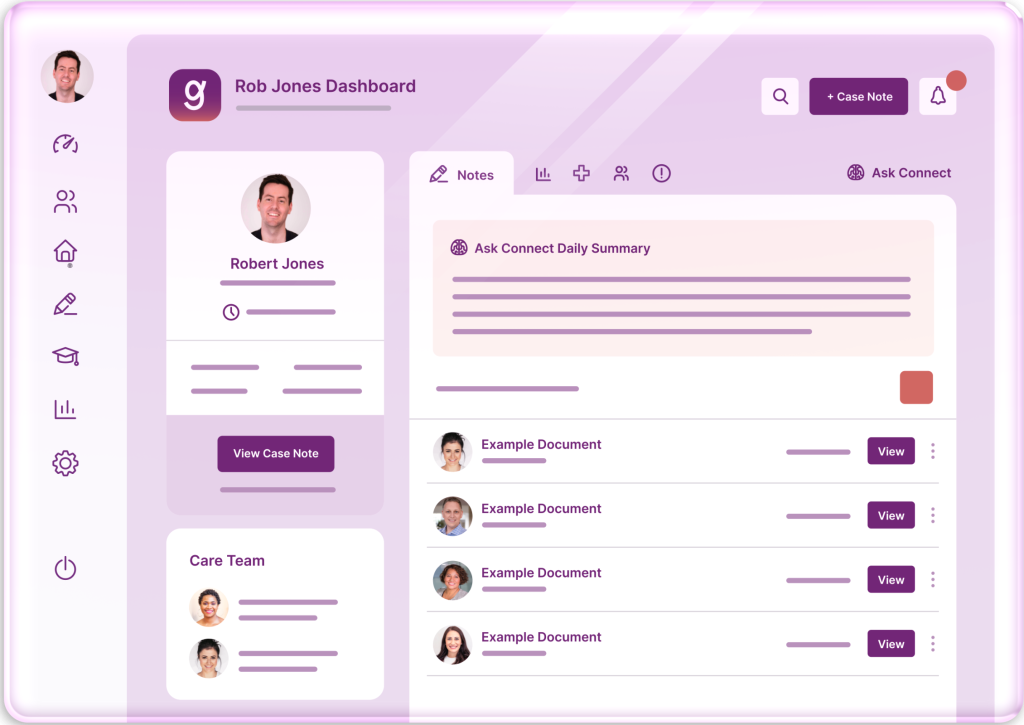
The SHANARRI wellbeing indicators provide a clear framework for understanding children and young people’s experiences. The challenge for many organisations is applying that framework consistently in day-to-day practice. Geco Connect has been developed specifically to address this challenge. It is an AI-enabled digital platform designed to support residential care and education settings in recording, understanding […]
Why Paper-Based SHANARRI Recording Is Letting Children Down

The SHANARRI wellbeing indicators are designed to provide a clear, structured understanding of a child or young person’s wellbeing. However, many organisations still rely on paper-based systems or disconnected digital tools to record this information. While these approaches may feel familiar, they can limit the effectiveness of SHANARRI in practice and impact the quality of […]
SHANARRI and Inspection: How to Evidence Wellbeing for Care Inspectorate and HMIe

The SHANARRI wellbeing indicators are central to how inspections are carried out across Scotland’s care and education sectors. Both the Care Inspectorate and HMIe expect organisations to demonstrate how they are supporting children and young people’s wellbeing in a clear, structured and evidence-based way. For many organisations, the challenge is not understanding SHANARRI. It is […]
Measuring Wellbeing: How Do You Know if SHANARRI is Working?

The SHANARRI wellbeing indicators provide a structured way to understand children and young people’s experiences. However, one of the biggest challenges for professionals is knowing whether SHANARRI is actually improving outcomes in practice. Measuring wellbeing is not straightforward. It involves both qualitative insight and consistent data, making it essential to approach assessment in a structured […]
Early Intervention and SHANARRI: Catching Problems Before They Escalate

Early intervention sits at the heart of Scotland’s approach to supporting children and young people. The SHANARRI wellbeing indicators provide a structured way to identify concerns early and respond before issues escalate. For professionals across care, education and social work, the ability to recognise and act on early signs of need can significantly improve outcomes […]
Looked-After Children in Scotland: The Wellbeing Data Every Professional Should Know

The SHANARRI wellbeing indicators provide a structured way to understand outcomes for children and young people. For those working with looked-after children in Scotland, this framework is particularly important. While progress has been made, data continues to show significant inequalities in outcomes for children with care experience. Understanding this data is essential for professionals seeking […]
The Evidence Behind SHANARRI: What the Research Tells Us About Child Wellbeing

The SHANARRI wellbeing indicators are grounded in a strong body of research around child development, outcomes and early intervention. While SHANARRI provides a practical framework for professionals, it is supported by decades of evidence showing what helps children and young people thrive. Understanding this evidence is important for anyone applying SHANARRI in practice, particularly when […]
SHANARRI and Children’s Rights: Scotland’s UNCRC Commitment in Action

The SHANARRI wellbeing indicators are closely aligned with children’s rights in Scotland. With the incorporation of the United Nations Convention on the Rights of the Child (UNCRC) into Scots law, there is a renewed focus on ensuring that every child’s rights are upheld in practice. For professionals, this means moving beyond policy and ensuring that […]
SHANARRI and The Promise: Supporting Scotland’s Commitment to Looked-After Children

The SHANARRI wellbeing indicators and The Promise share a common goal. Both aim to improve the lives and outcomes of children and young people, particularly those with care experience. While SHANARRI provides a structured way to understand and measure wellbeing, The Promise calls for a deeper, more consistent commitment to ensuring that support is shaped […]
SHANARRI for Social Workers: Using the Indicators to Drive Better Decisions

The SHANARRI wellbeing indicators are central to social work practice in Scotland. Within the GIRFEC approach, social workers play a key role in assessing need, coordinating support and making decisions that shape outcomes for children and young people. For social workers, SHANARRI provides a structured way to understand complex situations and ensure that decisions are […]
SHANARRI for Residential Care: The Daily Reality of Wellbeing Monitoring

The SHANARRI wellbeing indicators are central to how residential care settings in Scotland understand and support young people. Unlike other environments, residential care operates continuously, with staff observing and responding to wellbeing across all aspects of daily life. For teams working in these settings, SHANARRI is not a framework applied occasionally. It is part of […]
SHANARRI for Local Authorities: Accountability, Reporting and Outcomes

The SHANARRI wellbeing indicators play a central role in how local authorities in Scotland understand, monitor and evidence outcomes for children and young people. Within the GIRFEC approach, local authorities carry statutory responsibility for ensuring that services work together to support wellbeing. For leadership teams, SHANARRI is not just a framework. It is the foundation […]
SHANARRI for Schools: A Practical Guide for Teachers and Headteachers

The SHANARRI wellbeing indicators are central to how schools across Scotland support children and young people. Within the GIRFEC approach, schools have a clear role in promoting wellbeing alongside learning. For teachers and headteachers, SHANARRI is not an additional task. It is part of everyday practice, shaping how pupils are supported, how concerns are identified […]
Included: Belonging, Community and the Fight Against Exclusion

The SHANARRI Included indicator focuses on ensuring that every child and young person feels part of their family, school and wider community. It recognises that belonging is essential to wellbeing and that barriers to inclusion can have a lasting impact on outcomes. For professionals, Included is about more than access. It is about creating environments […]
Responsible: Building Confidence, Independence and Life Skills

The SHANARRI Responsible indicator focuses on helping children and young people develop the skills, confidence and awareness needed to take an active role in their lives and communities. It is about preparing young people for independence while ensuring they are supported appropriately for their age and circumstances. For professionals, Responsible is not about expectation without […]
Healthy: Supporting Physical and Mental Wellbeing in Young People

The SHANARRI Healthy indicator recognises that wellbeing is about more than physical health. It includes mental health, emotional resilience and the support young people need to make safe, informed choices about their lives. For professionals across Scotland’s care and education sectors, Healthy is one of the most complex indicators to assess. It requires a holistic […]
Safe: What Child Safety Really Means Under SHANARRI

The SHANARRI Safe indicator is one of the most critical elements of Scotland’s approach to child wellbeing. It focuses on ensuring that every child or young person grows up protected from harm, abuse and neglect, within an environment that supports their development. For professionals working in care, education and social work, Safe is not just […]
SHANARRI in Practice: How Schools and Care Teams Use the Wellbeing Indicators Every Day

The SHANARRI wellbeing indicators are not just a framework. They are used every day by professionals across Scotland to understand, record and support the wellbeing of children and young people. In schools, residential care settings and local authority services, SHANARRI provides a consistent way to assess needs, share information and evidence outcomes. The challenge is […]
The History of SHANARRI: Where Scotland’s Wellbeing Indicators Came From

The history of SHANARRI is closely linked to Scotland’s wider ambition to improve outcomes for children and young people. Introduced as part of the GIRFEC approach, SHANARRI provides a consistent way to understand and measure wellbeing across services. For professionals working in care, education and social work, understanding where SHANARRI came from helps explain why […]
What is SHANARRI? Scotland’s Eight Wellbeing Indicators Explained

The SHANARRI wellbeing indicators sit at the heart of Scotland’s approach to supporting children and young people. Used within the GIRFEC (Getting It Right for Every Child) framework, SHANARRI provides a clear, shared language for understanding and measuring wellbeing across services. For professionals working in care, education and local authorities, SHANARRI is not just a […]
SHANARRI Beyond Scotland: Can the Wellbeing Indicators Work Across the UK?

The SHANARRI wellbeing indicators are a defining part of Scotland’s approach to supporting children and young people. Built within the GIRFEC framework, they provide a clear, structured way to understand wellbeing across services. As interest in outcomes and early intervention grows across the UK, many organisations are asking whether SHANARRI could be applied more widely […]